
[language-switcher]
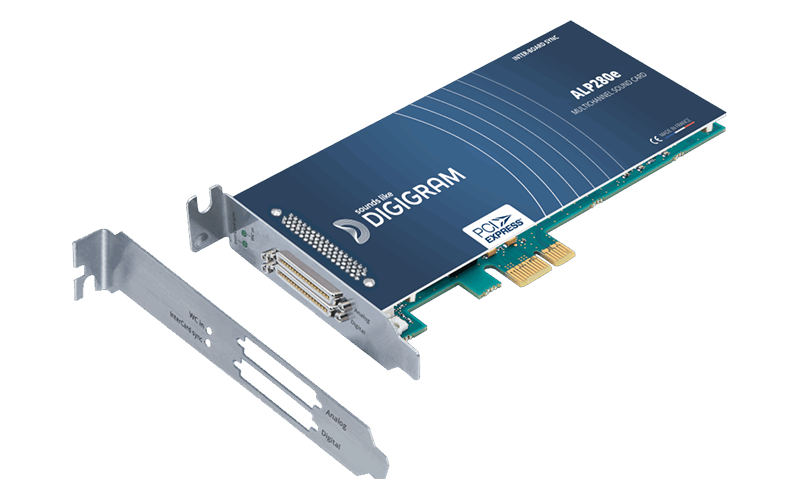
Digigram ALP280e is a low-profile PCIe audio interface with eight balanced line inputs, two servo-balanced outputs, 24-bit/192 kHz conversion, onboard FPGA mixing, GPIO and external synchronisation.
$ 1,202.00
Digigram ALP280e – PCIe Audio Interface for Broadcast and Production provides eight balanced analogue line inputs and two servo-balanced outputs for professional computer-based audio systems. This low-profile PCIe card combines 24-bit/192 kHz conversion, onboard mixing and GPIO for broadcast capture, production recording and monitoring.
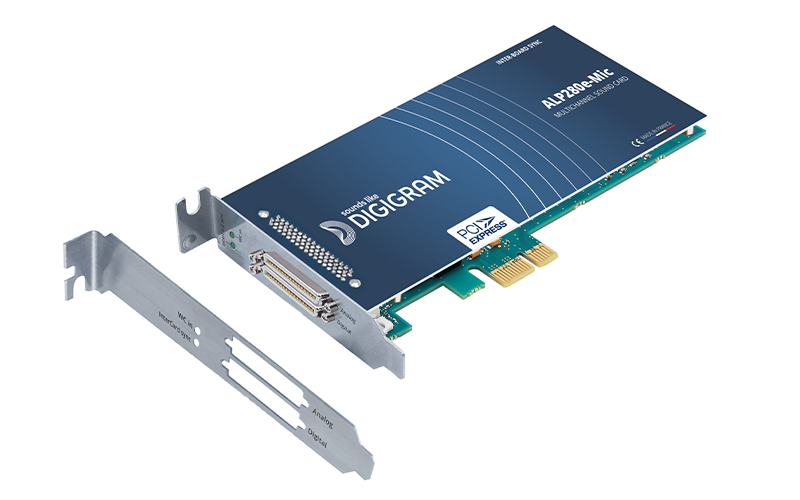
Capture eight line-level sources with a maximum input level of +24 dBu and input impedance above 10 kilohms. Analogue input gain adjusts from −24 to +16 dB in 0.5 dB steps. Additional digital gain controls support signal alignment. This standard ALP280e model is designed for line-level sources, not direct phantom-powered microphone connection.
Digigram ALP280e includes a 16×10 onboard mixer. Eight analogue inputs and eight software playback channels can feed independent mixes to two physical outputs and eight software recording channels. Hardware-based monitoring avoids a host-software monitoring round trip; actual system latency still depends on conversion and the wider signal path.
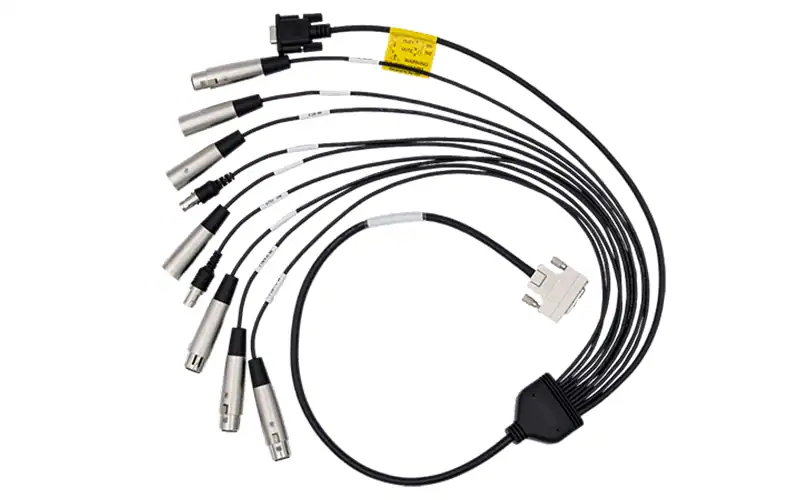
Two servo-balanced line outputs deliver up to +24 dBu with output impedance below 100 ohms. Digital output gain adjusts from −90 to +12 dB in 0.1 dB steps. The documented analogue breakout cable provides eight female XLR inputs and two male XLR outputs.
Choose internal clocking or synchronise through AES11 or word clock. Eight dry-contact inputs and eight relay outputs support compatible external control equipment. Confirm breakout cables, relay load requirements and any inter-card synchronisation configuration before installation.
Windows drivers provide ASIO and WASAPI/DirectSound operation, with ALP-X Manager for configuration. Linux support uses ALSA on specified distributions and kernels. Confirm the target operating system, application and driver release before deployment.